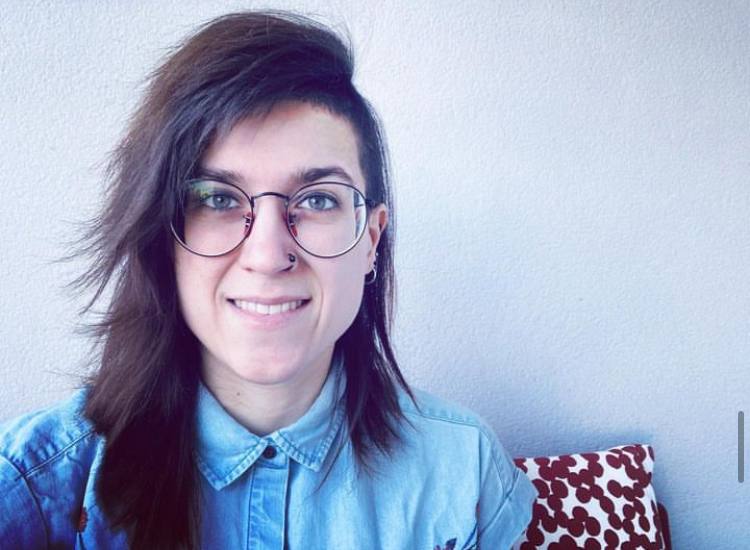
I was born and raised in Madrid, in the popular working-class neighbourhood of Vallecas (or Vallekas, as we the locals write it). For those who may not know it, Vallecas has long been a symbol of working-class resistance against social and political oppression and against Franco’s dictatorship in Spain. That history has deeply shaped my own identity.
My academic education in English did not start until my mid 20s, when I realised that my years of learning English at school had been for pretty much nothing and, worse, that I would need that skill for pursuing my passion for applied ethics and political philsophy in a sucessful manner. For those unfamiliar with Spain: we don’t have the strongest reputation for English proficiency, and this is even more pronounced among lower socioeconomic groups. Eventually, after my MA, my passion for philosophy made me overcome this language barrier and ultimately pursue an international research path.
I began my PhD journey at the Department of Metaphysics and Theory of Knowledge at the University of Valencia, where I engaged extensively with theories of moral responsibility and the role of emotional attachment in shaping our moral landscape. Although that background strong influenced in my later work, back then I felt such training was insufficient for thinking about moral responsibility for one of the biggest challenges of our times: climate change.
During my appointment in Valencia, I held visiting positions at Keele University (2015) and the University of Washington (2017). But it was a research stay at the University of Graz in 2016 that changed my academic development, and to an important extent also my life. In Graz, I was impressed by the interdisciplinary work carried out at the Doctoral Program in Climate Change and the quality of philosophical work at the Department of Philosophy . So I decided to try my luck with a La Caixa Fellowship, with a 7.6% sucess rate, to transfer my doctoral studies there. Against all likelihood, it worked out and I relocated to Graz. There, I learnt a great deal about interdisciplinary research, which has shaped my work ever since. During COVID, in summer 2021, I completed my PhD and finally graduated Summa Cum Laude. During my time in Graz, I also became proficient in German because, apparently, my struggles with learning languages as a young adult had not been enough.
After my PhD, I worked as a postdoc researcher in Switzerland at the UniFr_ESH Institute and in Germany at PhilETAS (Philosophy of Engineering, Technology and Science), at the Karlsruhe Institute of Technology (KIT). Since 2023, I work at the Erasmus University Rotterdam as an Assistant Professor.
My background has influenced not only my work, but also how I understand our profession. The experience of having a working-class background and being a woman has shaped my strong commitment against discrimination in philosophy and academia. I believe that, whereas the academic world has become a bit more sensitive towards gender discrimination, there’s still so much to do about classism. I’m convinced that academia is saturated with mannerisms and reputational norms that ultimately undermine what should be its core purpose: to provide space for calm and honest reflection, and an equal opportunity for every (critical) thought to develop and be taken seriously.
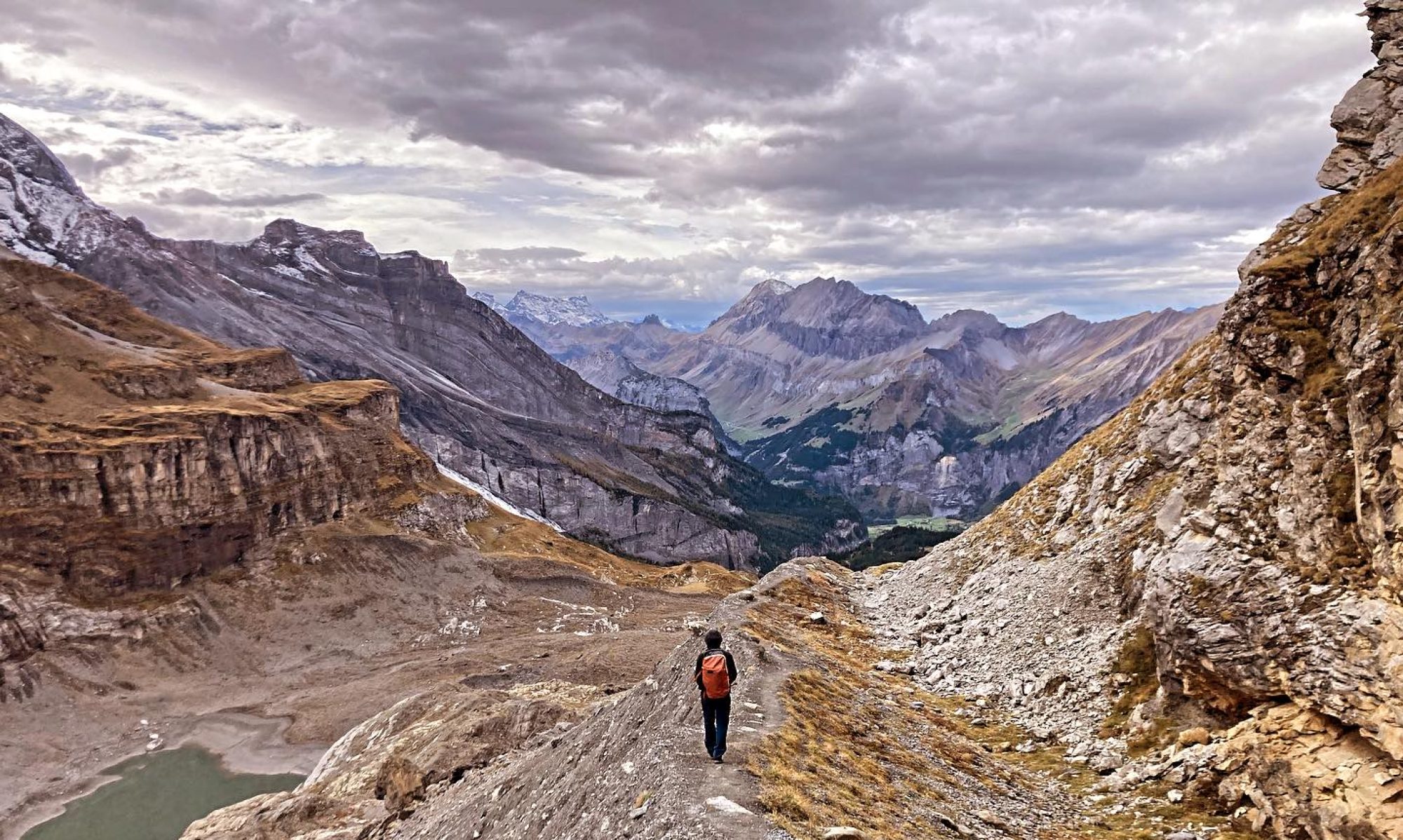
Something I learnt after years of pushing through is to take some time off, and, some times, I succeed in doing so. Nowadays, I enjoy climbing, hiking and biking outdoors; or lifting weights playing board games indoors.
I speak Spanish (native), English (C2), German (C1) and a bit of Catalan (B1). Currently, I am also learning Dutch (A2)!

